
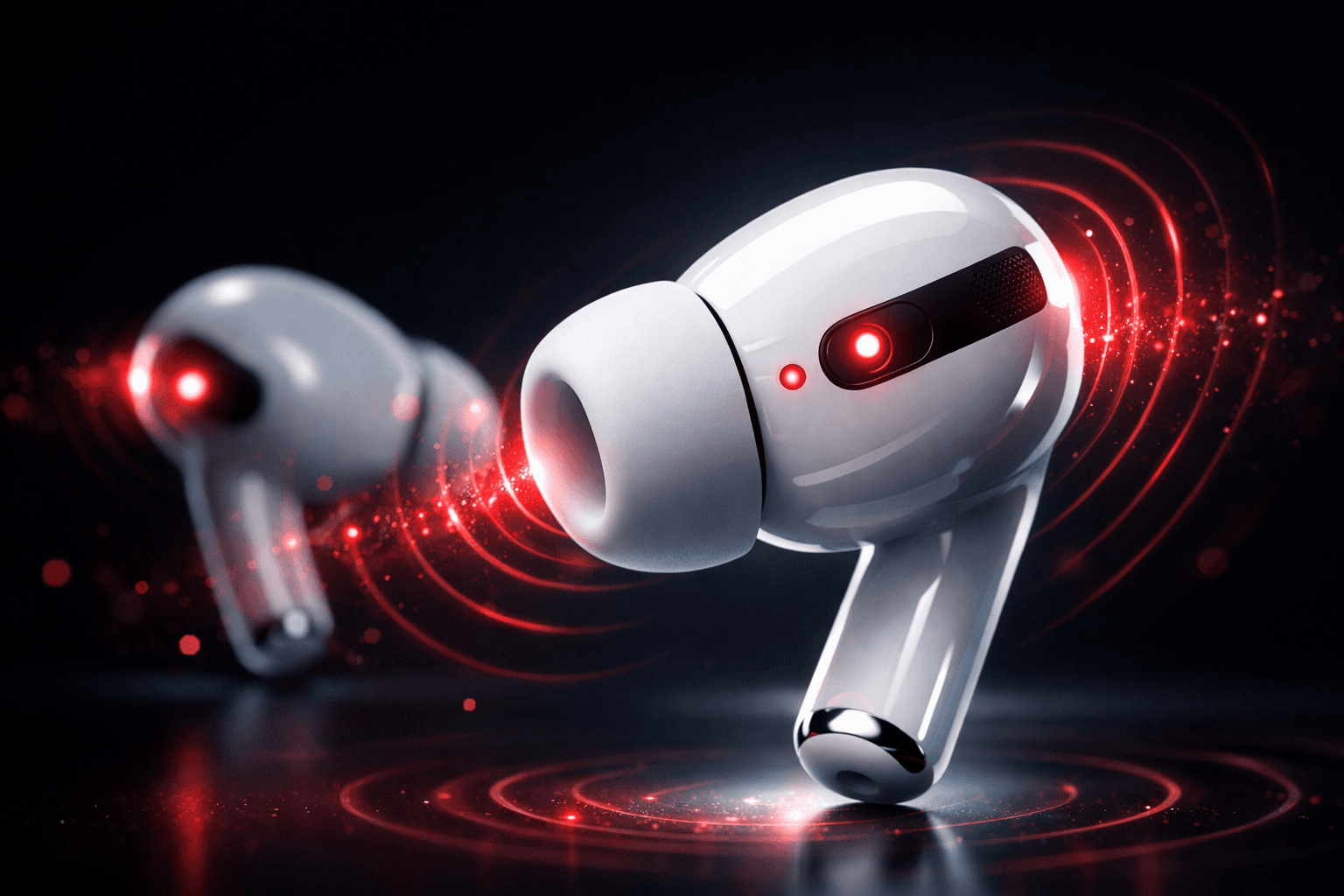
Apple is reportedly developing a premium variant of the AirPods Pro 3, featuring groundbreaking infrared (IR) camera technology that promises to revolutionize the personal audio experience through advanced AI capabilities. This comprehensive analysis explores the rumored features, potential applications, and the technological implications of this next-generation audio device.
The Evolution of AirPods Pro
The AirPods Pro 3, released in September 2025, marked a significant milestone in Apple's audio technology journey. Building upon the success of previous generations, the third iteration introduced the powerful H3 chip, delivering enhanced Active Noise Cancellation (ANC), improved sound quality, and extended battery life. However, the latest rumors suggest that Apple is not resting on its laurels and is preparing to push the boundaries even further with an innovative premium model.
The Infrared Camera Revolution
The most intriguing aspect of the rumored premium AirPods Pro 3 model is the integration of infrared cameras. This technology represents a paradigm shift from traditional audio devices to intelligent, context-aware companions. Infrared cameras operate by detecting heat signatures and can function effectively in low-light or no-light conditions, making them ideal for various applications beyond simple imaging.
Unlike visible light cameras, IR cameras can capture information about the user's environment and physical state without being intrusive or requiring ambient light. This opens up possibilities for advanced features that were previously unimaginable in a pair of earbuds.
Potential AI-Powered Features
Enhanced Environmental Awareness
The IR cameras could enable the AirPods Pro 3 to understand the user's immediate environment with unprecedented accuracy. By detecting heat signatures and spatial information, the device could automatically adjust audio settings based on whether the user is in a quiet office, a noisy café, or an outdoor environment. This contextual awareness would allow for more intelligent noise cancellation and audio optimization.
Gesture Recognition and Control
One of the most exciting potential applications is advanced gesture recognition. The IR cameras could detect hand movements and gestures near the user's face, enabling touchless control of the device. Users might be able to adjust volume, skip tracks, or answer calls with simple hand gestures, eliminating the need to physically interact with the earbuds or reach for their device.
Health and Wellness Monitoring
Building upon the health monitoring features already present in the current AirPods Pro 3, the IR cameras could enhance heart rate tracking and temperature sensing capabilities. The cameras could potentially detect subtle changes in facial temperature, which might indicate stress levels, fatigue, or other health indicators. This could provide users with valuable insights into their physical and mental well-being throughout the day.
Spatial Audio Enhancement
The IR cameras could significantly improve spatial audio experiences by mapping the user's environment in real-time. By understanding the physical layout of the space, the AirPods Pro 3 could create more accurate and immersive 3D audio experiences, making virtual and augmented reality applications more realistic and engaging.
Accessibility Features
For users with hearing impairments or other accessibility needs, the IR cameras could enable advanced features such as lip-reading assistance or visual feedback for audio cues. This would represent a significant step forward in making technology more inclusive and accessible to all users.
Current AirPods Pro 3 Features
To fully appreciate the potential of the premium model, it's essential to understand the impressive capabilities already present in the standard AirPods Pro 3:
H3 Chip Performance
The custom H3 chip represents a significant leap in processing power, enabling more sophisticated audio processing, improved ANC algorithms, and enhanced computational audio capabilities. This powerful chip forms the foundation for the advanced features that the premium model is expected to offer.
Advanced Active Noise Cancellation
The AirPods Pro 3 features state-of-the-art ANC technology that can adapt to the user's environment in real-time. The system uses multiple microphones and advanced algorithms to create precise noise cancellation, allowing users to focus on their audio content even in the most challenging acoustic environments.
Health Monitoring Capabilities
The current model includes heart rate tracking and in-ear temperature sensing, providing valuable health insights during daily activities and workouts. These features demonstrate Apple's commitment to integrating health and wellness technology into their audio products.
Live Translation Features
Real-time language translation capabilities enable seamless communication across different languages, making the AirPods Pro 3 particularly valuable for travelers and professionals working in multilingual environments. This feature showcases the device's potential as a communication tool beyond simple audio playback.
Enhanced Battery Life
The AirPods Pro 3 offers impressive battery performance, providing up to 10 hours of continuous use in transparency mode and 8 hours with ANC activated. The device supports fast USB-C and wireless charging, ensuring minimal downtime between uses.
Refined Design and Comfort
Apple has refined the design of the AirPods Pro 3, offering a more secure and comfortable fit that enhances the overall user experience, especially during extended use and physical activities. The improved ergonomics ensure that users can wear the device comfortably for extended periods.
Technical Challenges and Considerations
Power Consumption
Integrating IR cameras into such a compact device presents significant challenges, particularly regarding power consumption. IR cameras require additional processing power and energy, which could impact battery life. Apple will need to develop highly efficient camera modules and optimize the processing algorithms to maintain the device's impressive battery performance.
Privacy and Security
The inclusion of cameras, even infrared ones, raises important privacy and security considerations. Apple will need to implement robust privacy protections, ensuring that all image processing occurs on-device and that user data remains secure. The company's strong track record in privacy protection suggests that these concerns will be addressed comprehensively.
Size and Form Factor
Fitting IR cameras into the already compact AirPods Pro design without compromising comfort or aesthetics will require innovative engineering solutions. Apple may need to slightly adjust the form factor or develop new miniaturization techniques to accommodate the additional hardware.
Processing Requirements
The advanced AI features enabled by IR cameras will require significant computational power. Apple may need to develop an even more powerful chip variant or optimize the H3 chip further to handle the additional processing requirements while maintaining efficiency.
Market Implications
The introduction of a premium AirPods Pro 3 model with IR camera technology would represent a significant shift in the personal audio market. This innovation could:
- Establish a New Product Category: The device could create a new category of "intelligent audio companions" that go beyond traditional headphones or earbuds.
- Competitive Differentiation: This technology would provide Apple with a significant competitive advantage, setting their products apart from competitors in the premium audio market.
- Premium Pricing Strategy: The advanced features would justify a premium price point, allowing Apple to capture additional value from consumers willing to pay for cutting-edge technology.
- Ecosystem Integration: The IR cameras could enhance integration with other Apple devices, creating a more cohesive and intelligent ecosystem experience.
Timeline and Availability
While specific release dates remain unconfirmed, industry analysts suggest that Apple is in advanced stages of development for this premium model. The company typically follows a pattern of releasing new AirPods models annually or biennially, which could place a potential release in late 2026 or early 2027. However, the complexity of integrating IR camera technology may require additional development time.
Conclusion
The rumored premium AirPods Pro 3 model with infrared camera technology represents a bold step forward in personal audio technology. By combining advanced imaging capabilities with sophisticated AI processing, Apple could create a device that transcends traditional audio playback, becoming a true intelligent companion that understands and adapts to the user's environment and needs.
While the technical challenges are significant, Apple's track record of innovation and engineering excellence suggests that they are well-positioned to overcome these obstacles. The integration of IR cameras could unlock a new realm of possibilities, from enhanced environmental awareness to advanced health monitoring and gesture-based controls.
As we await official confirmation and details from Apple, the technology community and consumers alike are watching with anticipation. This innovation could not only redefine what we expect from personal audio devices but also establish new standards for intelligent, context-aware technology in our daily lives.
The future of personal audio technology appears to be on the cusp of a revolutionary transformation, and the premium AirPods Pro 3 with IR camera technology may well be the device that leads this charge into a new era of intelligent audio experiences.